Waylon Jennings
Biography
Waylon Jennings was a singer, songwriter and guitarist, who recorded 60 albums and had 16 #1 country singles in a career that spanned five decades. Jennings lived a life straight out of a classic country song. With a baritone growl for a voice and a musical style that blended folk lyrics, rock rhythms, and honky-tonk-style instrumentation, Jenningss songs reflected the highs and lows of life on the road. In the 1950s he was mentored by pioneering rocker Buddy Holly, and he narrowly missed ending up a casualty of the same plane crash that killed Holly and two other young rockers in 1959, inspiring the expression "The Day the Music Died." In the 1960s Jennings spent years trying to fit into the mainstream Nashville music scene before spearheading the outlaw music movement with Willie Nelson. Their efforts transformed country music in the 1970s, and years after his death Jennings’s vocal and musical style continued to influence new generations of country artists.
With pal Willie Nelson, Jennings performed duets like "Mammas Dont Let Your Babies Grow Up to Be Cowboys", "Luckenbach" and "Good Hearted Woman". Those 1970s songs nurtured a progressive sound and restless spirit embraced later by Travis Tritt, Charlie Daniels, Steve Earle and others. His resonant, authoritative voice also was used to narrate the popular TV show The Dukes of Hazzard (1979). He sang its theme song, which was a million seller. "I aimed the narration at children and it made it work," he said in a 1987 AP interview.
Read full biography ↓
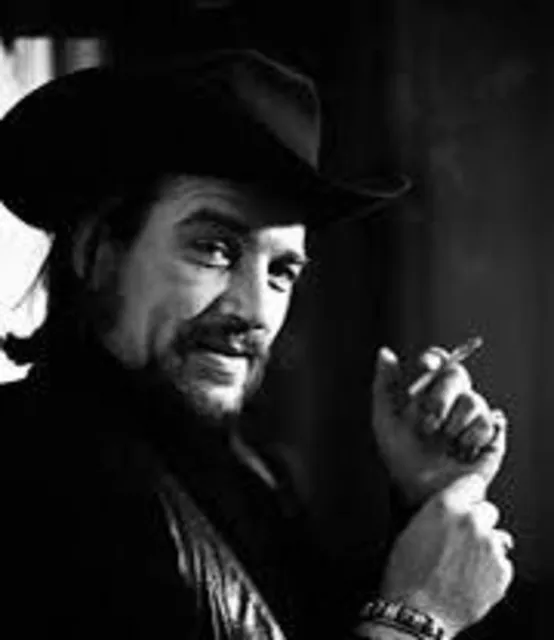
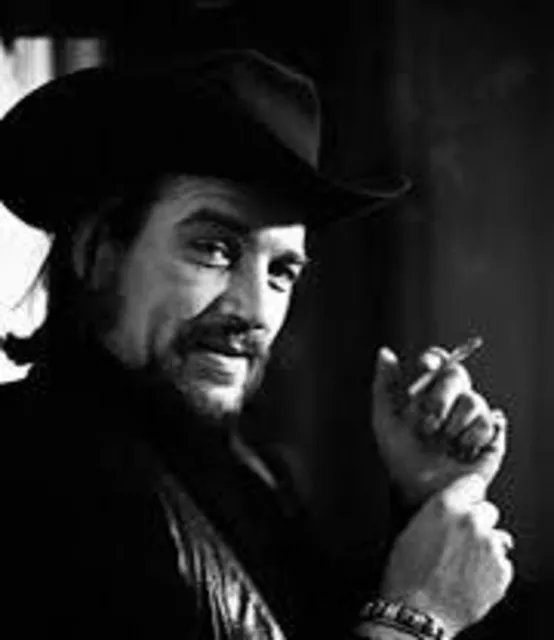
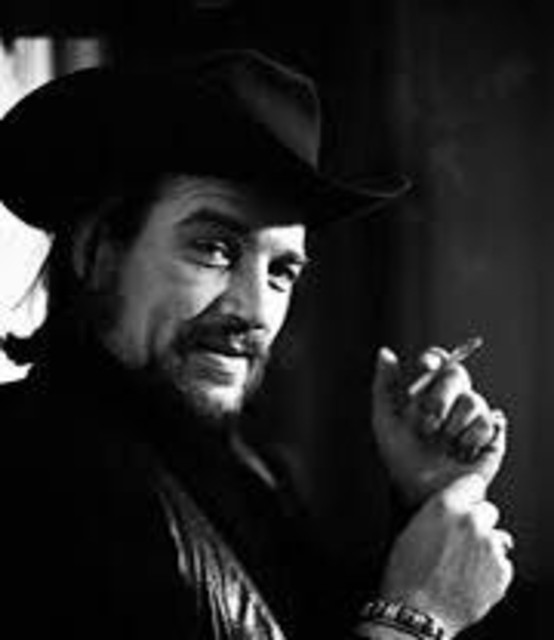
He traditionally wore a black cowboy hat and ebony attire that accented his black beard and mustache. Often reclusive when not on stage, he played earthy music with a spirited, hard edge. Combined, Jennings had a well-defined image that matched well with his history of battling record producers to do music his way. About his independence, he said: "Theres always one more way to do something-- your way." Some of his album titles nourished his brash persona: "Lonesome, Onry and Mean," "Ive Always Been Crazy," "Nashville Rebel," "Ladies Love Outlaws" and "Wanted: The Outlaws."
He often refused to attend music awards shows on grounds performers should not compete against each other. Despite those sentiments, Jennings won two Grammy awards and four Country Music Association awards. He did not attend his induction into the Country Music Hall of Fame in 2001.
In 1959, his career was nearly cut short by tragedy. He was scheduled to fly on the light plane that crashed and killed Buddy Holly, Ritchie Valens and The Big Bopper. Jennings gave up his seat on the plane to The Big Bopper, who was ill and wanted to fly rather than travel by bus with those left behind. He and Holly were teenage friends in Lubbock, Texas, and Jennings was in Hollys band. "Mainly what I learned from Buddy was an attitude," Jennings said. "He loved music, and he taught me that it shouldnt have any barriers to it."
Born in Littlefield, Texas, Jennings became a radio disc jockey at 14 and formed his own band not long afterward. By the early 1960s Jennings was playing regularly at a nightclub in Phoenix. In 1963, he was signed by Herb Alperts A and M Records, then was signed by RCA in Nashville shortly thereafter by Chet Atkins. Once in Nashville, he and Cash became friends and roommates. His hit records began in the mid-1960s and his heyday was the mid-1970s.
About his outlaw image, he said: "It was a good marketing tool. In a way, I am that way. You start messing with my music, I get mean. As long was you are honest and up front with me, I will be the same with you. But I still do things my way." Read more on Last.fm. User-contributed text is available under the Creative Commons By-SA License; additional terms may apply.
Biography text from Last.fm, available under CC BY-SA.